Blown Fuse in Your Berowra Home
A blown fuse on its own usually means one thing: a circuit asked to carry more than it's rated for, and the fuse did exactly its job.
The question worth asking is why it happened, and whether it's about to happen again. If the fuse or the board around it looks scorched or smells hot, stop here and ring (02) 9134 9029.
Why Your Fuse Is Blowing
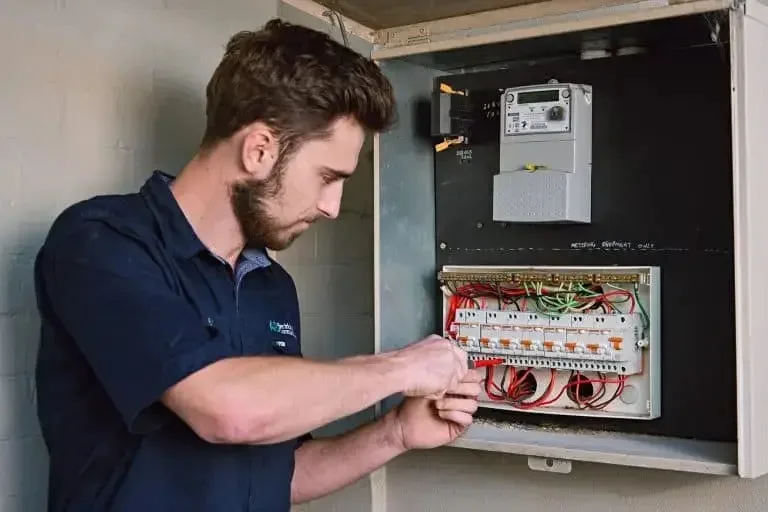
A fuse is a deliberately weak link, a thin strip of metal designed to melt and break the circuit before wiring or appliances overheat.
When current through the circuit exceeds the fuse's rating, that strip melts, power cuts, and the fuse needs replacing before the circuit works again.
Most single blown fuses trace to one appliance or one overloaded circuit. A fuse that blows repeatedly, on different appliances or with nothing obviously overloaded, points to a deeper fault instead.
Older ceramic-fuse boards make the pattern harder to read than a modern one would. A degrading connection can push a fuse to blow well before the fault becomes obvious anywhere else.
The Most Likely Causes
Ranked from what we actually find most often:
- An overloaded circuit, too many appliances drawing current on one run at the same time.
- A short circuit in an appliance, pulling far more current than normal until the fuse blows to protect the wiring.
- A wrong-rated fuse fitted previously, too light for the circuit it protects, blowing under completely normal load.
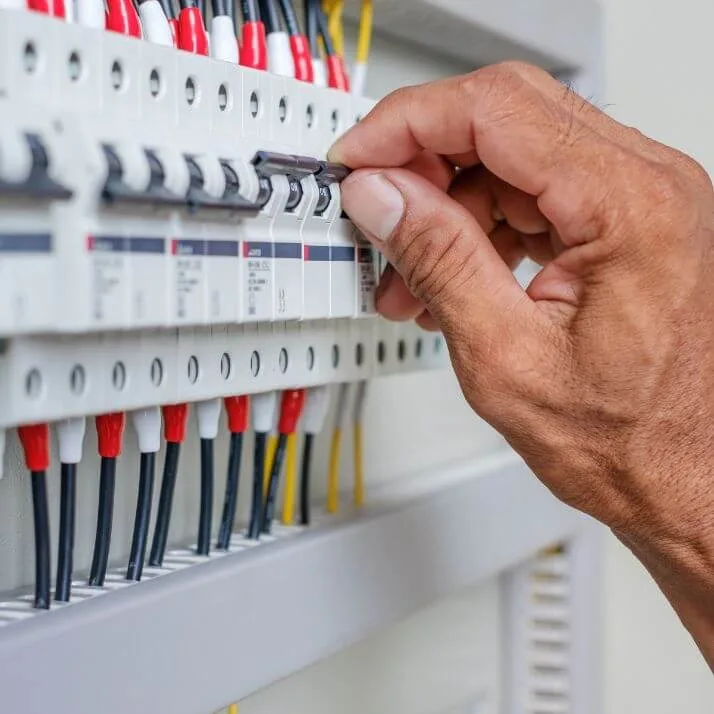
- A degrading connection at the board, heating and drawing extra current until the fuse finally lets go.
- Age itself, ceramic fuses on decades-old boards simply have less tolerance than a modern breaker.
- Water ingress, rare, but worth ruling out around outdoor circuits after heavy rain.
A single blown fuse rarely needs deep investigation. Repeated blowing on the same circuit, or on circuits that shouldn't be related, is what points to something worth chasing properly.
When a Blown Fuse Is Urgent
Most single blown fuses are a nuisance, not a danger, and can hold until a scheduled visit. Ring straight away if:
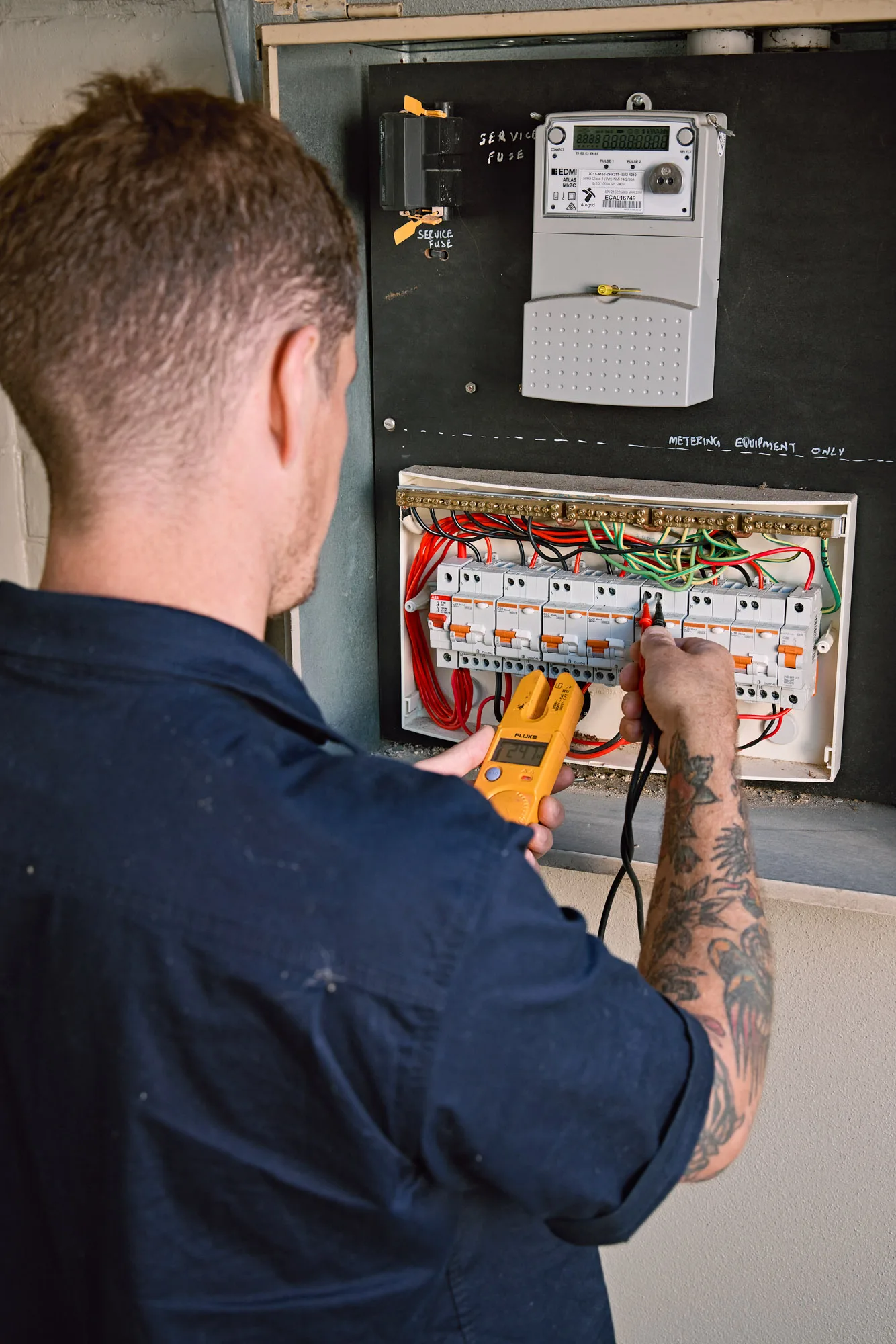
- the wiring near the fuse looks scorched, blackened or melted
- there's any burning smell at the board when the fuse lets go
- the same fuse blows again within minutes of replacement
- multiple fuses blow together with no obvious shared appliance
A fuse that blows once, with an obvious trigger such as too many devices on one board, is the low-risk version. It's still worth a visit, just not one that needs to happen tonight.
Think of it in two buckets. One obvious trigger and no repeat is low risk.
No obvious trigger, or a repeat within hours, moves it into the urgent bucket.
Repeat blowing without an obvious trigger is the version that deserves urgency, because something upstream of the fuse itself is the real problem.
If you've fitted a replacement fuse before and it's now happening again on the same position, that history is worth mentioning when you call. It changes how we approach the visit.
What To Do Right Now
- Note what was running. Which appliances or circuits were on when the fuse blew matters for diagnosis.
- Don't fit a new fuse yourself. Rating and fitting fuses correctly needs a licence, and the wrong rating leaves a circuit unprotected.
- Leave the circuit off. Don't force power back on before the cause is known.
- Call (02) 9134 9029 with the details. What you tell us decides how quickly we come out.
How We Fix the Fault for Good
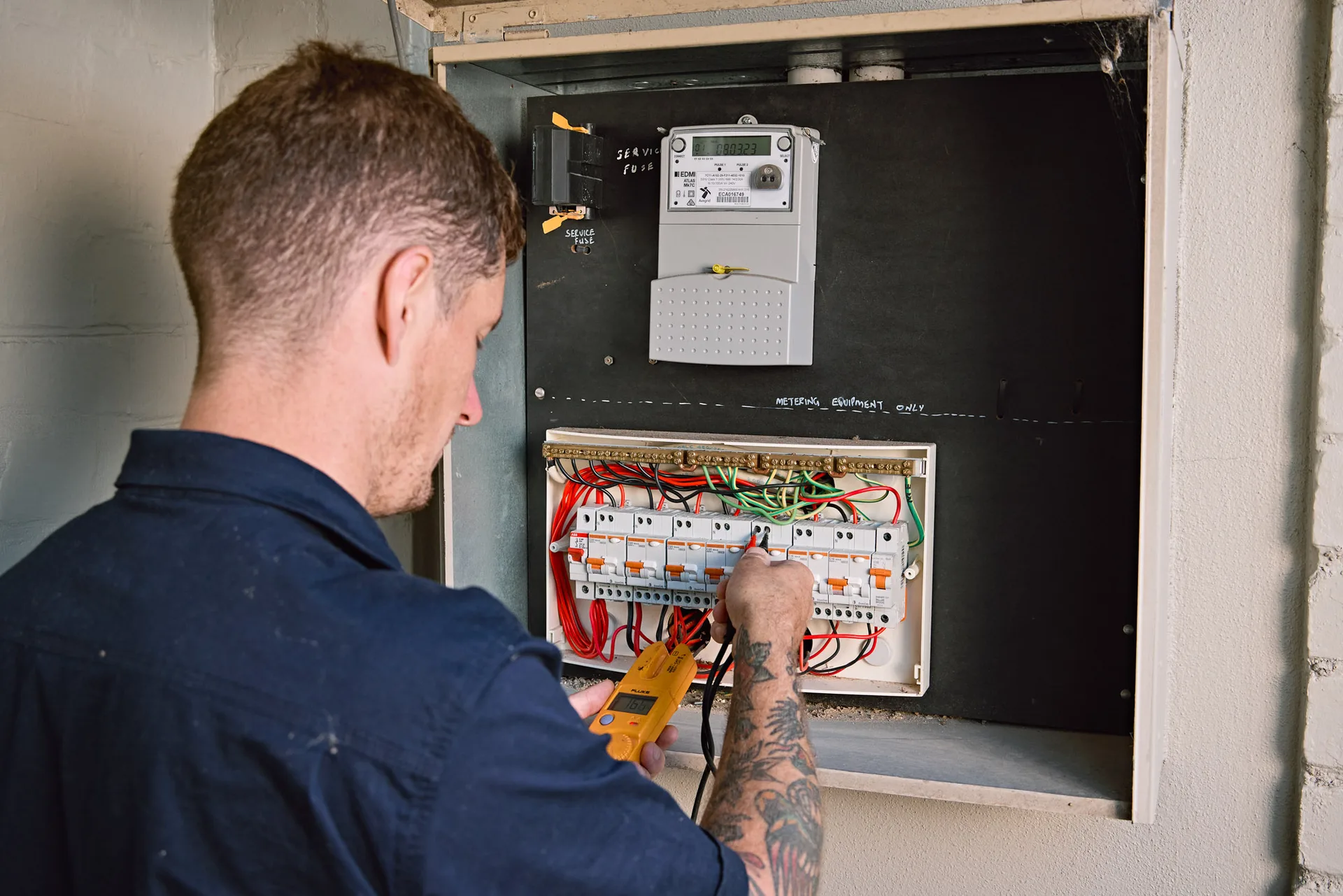
We work out which circuit fed the blown fuse first, and what was drawing current on it at the time.
A genuinely overloaded circuit gets reviewed for whether the load should be spread across more than one run. A short-circuiting appliance gets isolated so the fault stops being the board's problem.
When an old ceramic-fuse setup with no real headroom is the thing holding the circuit back, we price a proper upgrade rather than keep swapping fuses on the same tired run.
Every fix is tested under load, and notifiable work leaves with a Certificate of Compliance.
You'll also get a straight answer on whether the board itself is worth upgrading now or can reasonably wait, rather than a sales pitch dressed up as advice.
If a fuse blows again after the visit, that's a callback under the workmanship guarantee, not a fresh invoice.
The Berowra Pattern We Keep Seeing
A good number of Berowra's original 1960s and 1970s homes near the Berowra Oval sports precinct are still running the ceramic-fuse boards fitted when the house was built, with only minor repairs since.
Those boards were sized for a much lighter household load than most homes carry today, kettles, heat pumps, home offices and entertainment systems included.
The fuse blowing isn't really the fault. It's the board telling you it's carrying more than it was ever designed for.
Families who've held these homes for decades often mention the same fuse position blowing every few years, always assumed to be the appliance rather than the board underneath it.
Keeping It From Coming Back
A fuse that keeps blowing on the right-rated wiring for its circuit should stop once the real cause is addressed. The moves that help most:
- Move to a modern board with switchboard upgrades, trading ceramic fuses for breakers sized to what a home draws today.
- Give the heaviest appliances their own runs, so no lone fuse ends up carrying the whole house.
- Book electrical repairs when a fuse keeps letting go, instead of swapping in another one each time.
- Add safety switches when the board is upgraded, guarding people as well as the wiring.
A single fuse position blowing over and over is rarely bad luck. It's usually the clearest early sign a board is due for a proper look, well before something more serious forces the issue.
Nearby Suburbs and Related Faults
A fuse that blows AND leaves a warm odour behind fits our burning-smell rundown better than this page. Where the circuit cuts out cleanly instead of blowing a fuse, see our guide to a breaker that keeps cutting out.
We chase the same faults through Normanhurst and Hornsby as well as Berowra.

Book an Electrician Today
A single blown fuse from an obvious cause can sit until a scheduled call. Repeat blowing, scorching or any smell means calling us right now on (02) 9134 9029.
We'll give you a straight read on which of those two it is.
Common questions
Berowra Blown Fuse FAQs
The fuse questions we hear most from Berowra households, answered plainly.
Will a safety switch stop a fuse from blowing?
Not directly, a safety switch and a fuse protect against different things. A safety switch trips on an earth leak, while a fuse blows on excess current, so both can matter on an older board.
Why does the fuse seem to blow more at night or when appliances run?
Evening is when household load peaks, heating, cooking and hot water recovery all at once. A fuse already carrying close to its limit is most likely to give out under that extra draw.
Does insurance care about non-compliant fuse repairs?
It can. A DIY-repaired or incorrectly rated fuse is exactly the kind of thing an insurer flags after a later claim, so a properly certified fix is the safer paper trail.
Can I replace a blown fuse myself?
No, not legally. Fuse and switchboard work is licensed electrical work under NSW law, and fitting the wrong rating can leave a circuit unprotected rather than fixed.
How fast can you get to a blown fuse in Berowra?
We're often able to fit non-urgent fuse jobs in same or next day, and a genuine repeat-blowing fuse with signs of heat gets treated as urgent.
Do old ceramic fuses blow more often than a modern circuit breaker trips?
Often, yes. A ceramic fuse has less headroom for small current changes than a modern breaker, so ageing boards tend to blow more readily under the same load a newer board would simply absorb.